
Story
The Musical Journey
“I grew up believing all families talked about songs at the dinner table.”
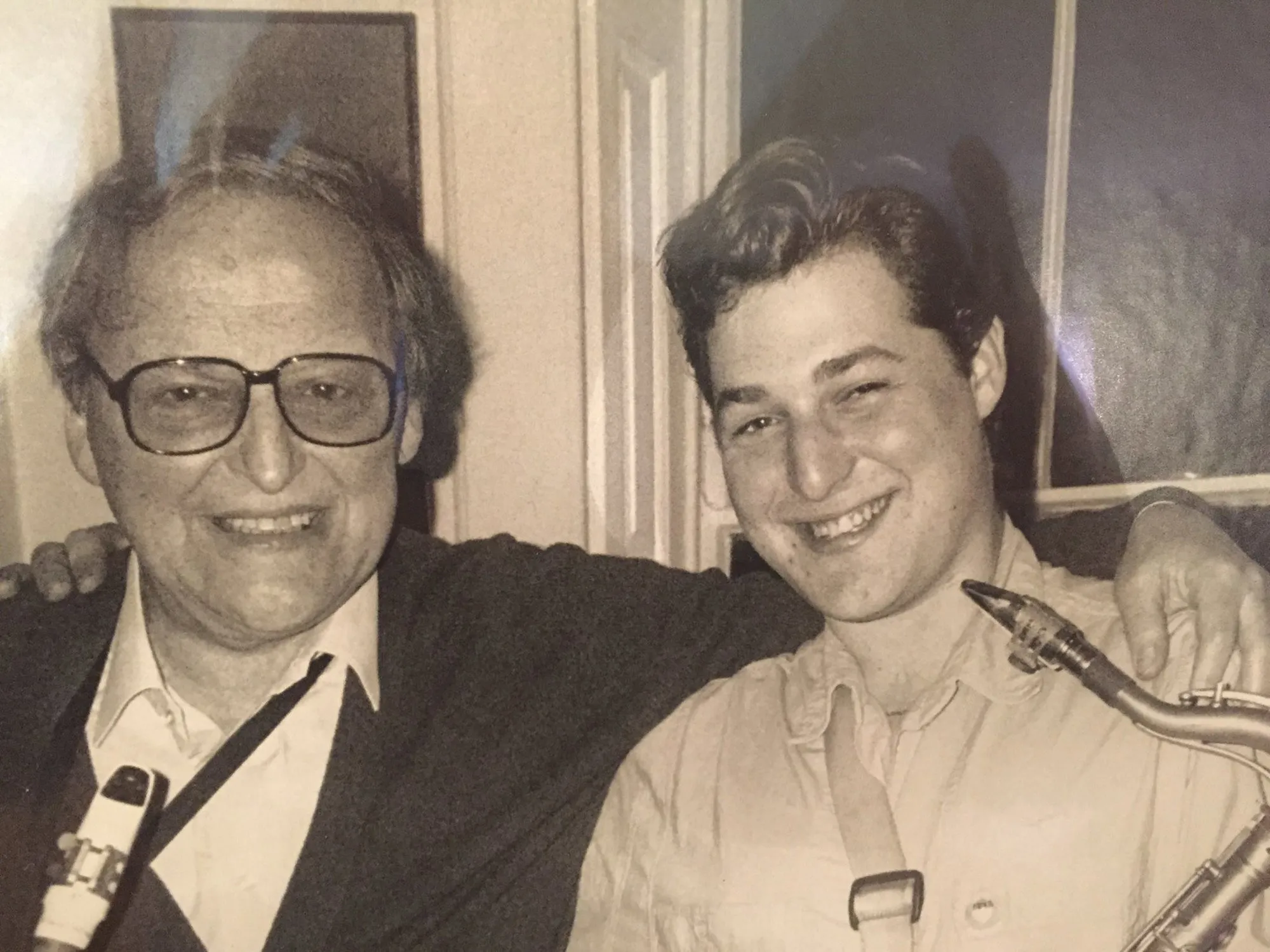
My father was Benny Green
Records, books, musicians, writers and broadcasters were simply part of home life. Conversations about songs — who wrote them, who sang them, why one version worked and another didn’t — were normal.
I didn’t understand then that I was growing up unusually close to a world of music and popular culture that was already beginning to disappear.
I just knew that I wanted to play.
The Saxophone
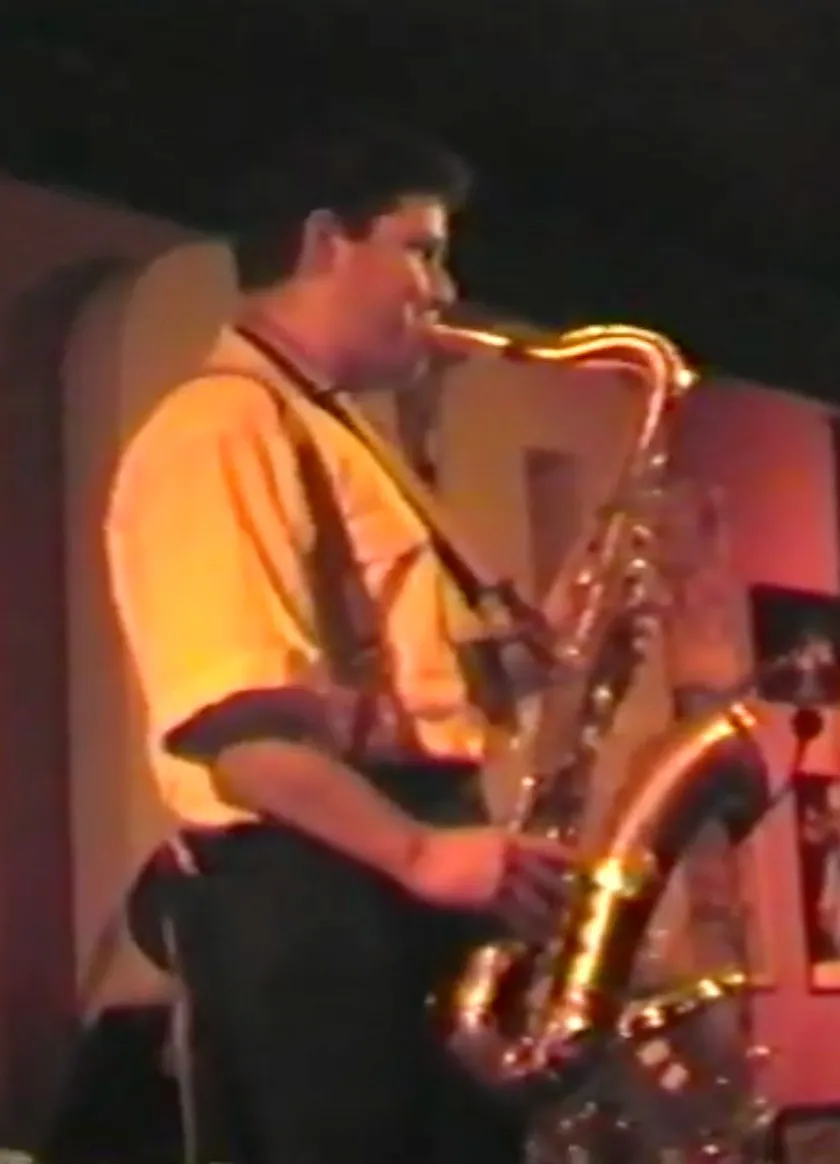
I started playing saxophone as a teenager.
The instrument connected me immediately to my father, but I never thought of it as continuing a family tradition. I wanted to find out whether I could make my own living with it.
Very quickly, the people I’d grown up hearing about stopped being names on record sleeves — they became real.
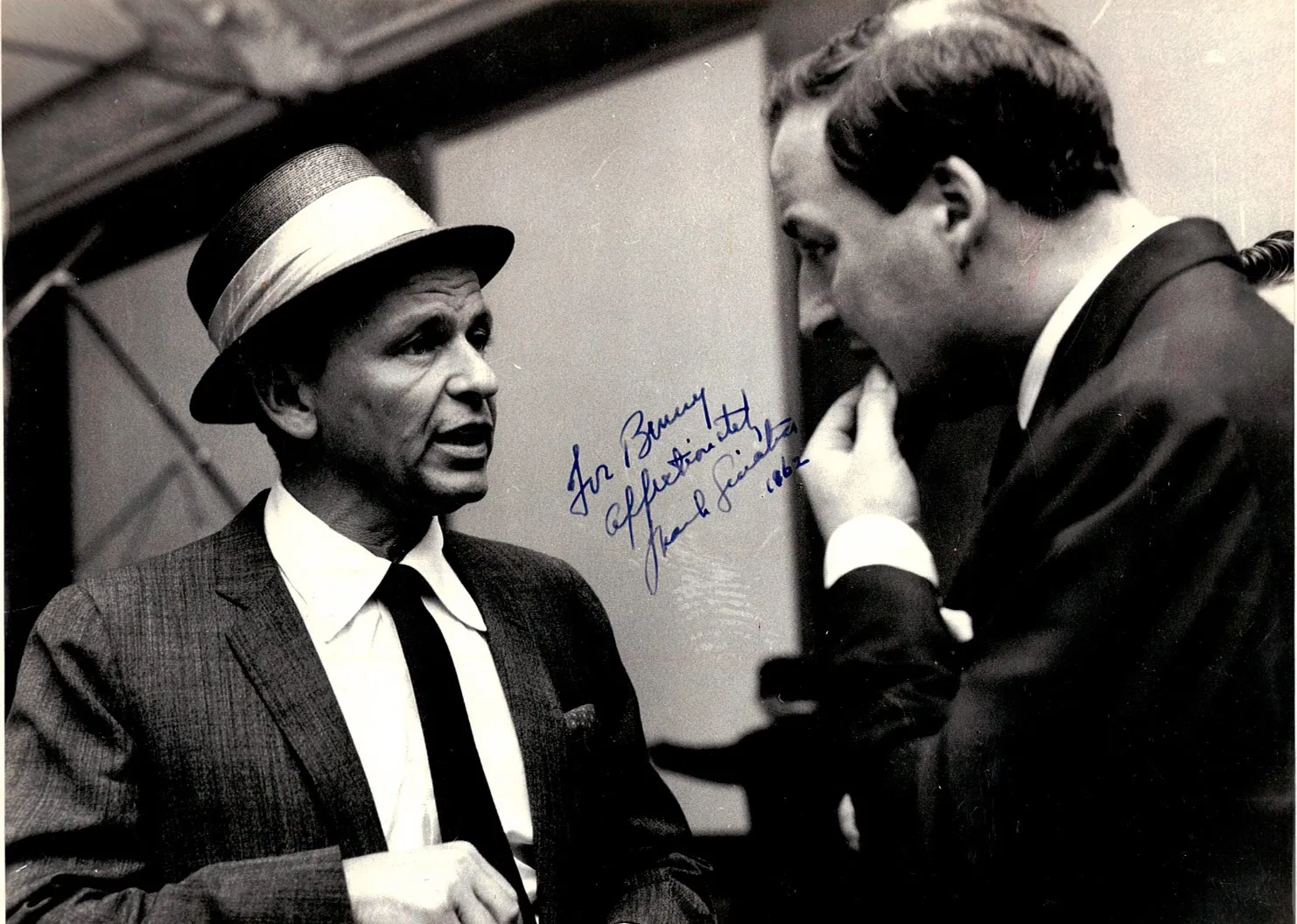
At fifteen, I went with my family to see Frank Sinatra at the Royal Albert Hall. Afterwards, my father suggested we go backstage and say hello.
So we did.
I met Frank Sinatra.
Even now, it sounds faintly ridiculous when I say it.
At Eighteen
Jeff Beck
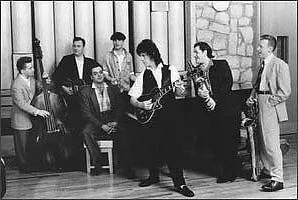
A few years later I was eighteen years old and playing saxophone with Jeff Beck. Working, playing and getting to know Jeff was incredible. As an artist and an encouraging and generous friend throughout my life, he was truly one of a kind — I miss him terribly.
At Nineteen
Jerry Lee Lewis
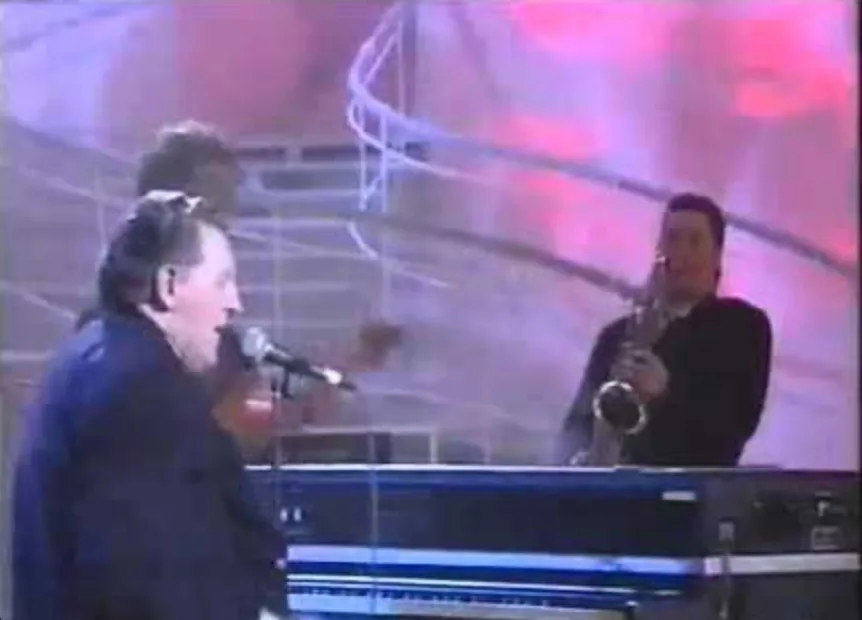
Aged 19, I was playing saxophone in Jerry Lee Lewis’s band.
That sentence probably tells the story better than anything I could add to it.
I was young enough not to understand quite how extraordinary some of these experiences were. I was concentrating on the music: listening, watching, learning how great performers occupied a stage and discovering that the world behind famous records was made up of real people doing a job.
That education couldn’t have happened in a classroom.
At Twenty
A letter to Van Morrison
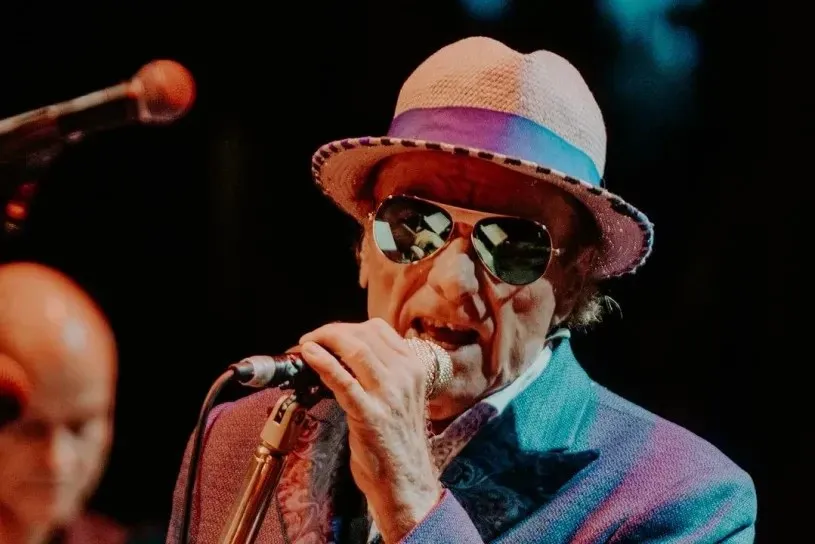
In 1993, I wrote a letter to Van Morrison.
There was no strategy behind it. I was a young saxophone player and wanted the opportunity to play with someone whose music mattered enormously to me.
I sent the letter.
And, extraordinarily, something happened.
That first opportunity became a musical relationship spanning years of performances and recordings. I found myself working alongside musicians I had previously known from records, learning repertoire from inside the band and discovering what happens to music when it is played night after night rather than preserved on an album.
A letter had opened a door.
I’ve never forgotten that.
At Thirty Two
Another letter
Sally Greene — Ronnie Scott’s
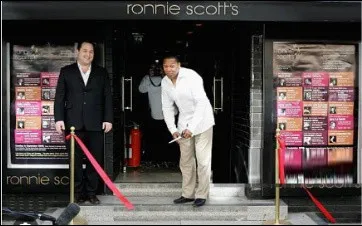
Years later, another letter changed things again.
This time I wrote to Sally Greene.
Following the acquisition and refurbishment of Ronnie Scott’s, I became Artistic Director of a club whose name had been part of my family’s life long before I ever imagined working there.
Suddenly I wasn’t only thinking like a musician.
I was thinking about artists, audiences, programming, marketing, ticket sales, budgets and what made somebody leave home and buy a ticket.
It changed the direction of my career.
I still played.
But I had discovered that I was fascinated by what happened on the other side of the stage.
At Thirty Two
The Microphone
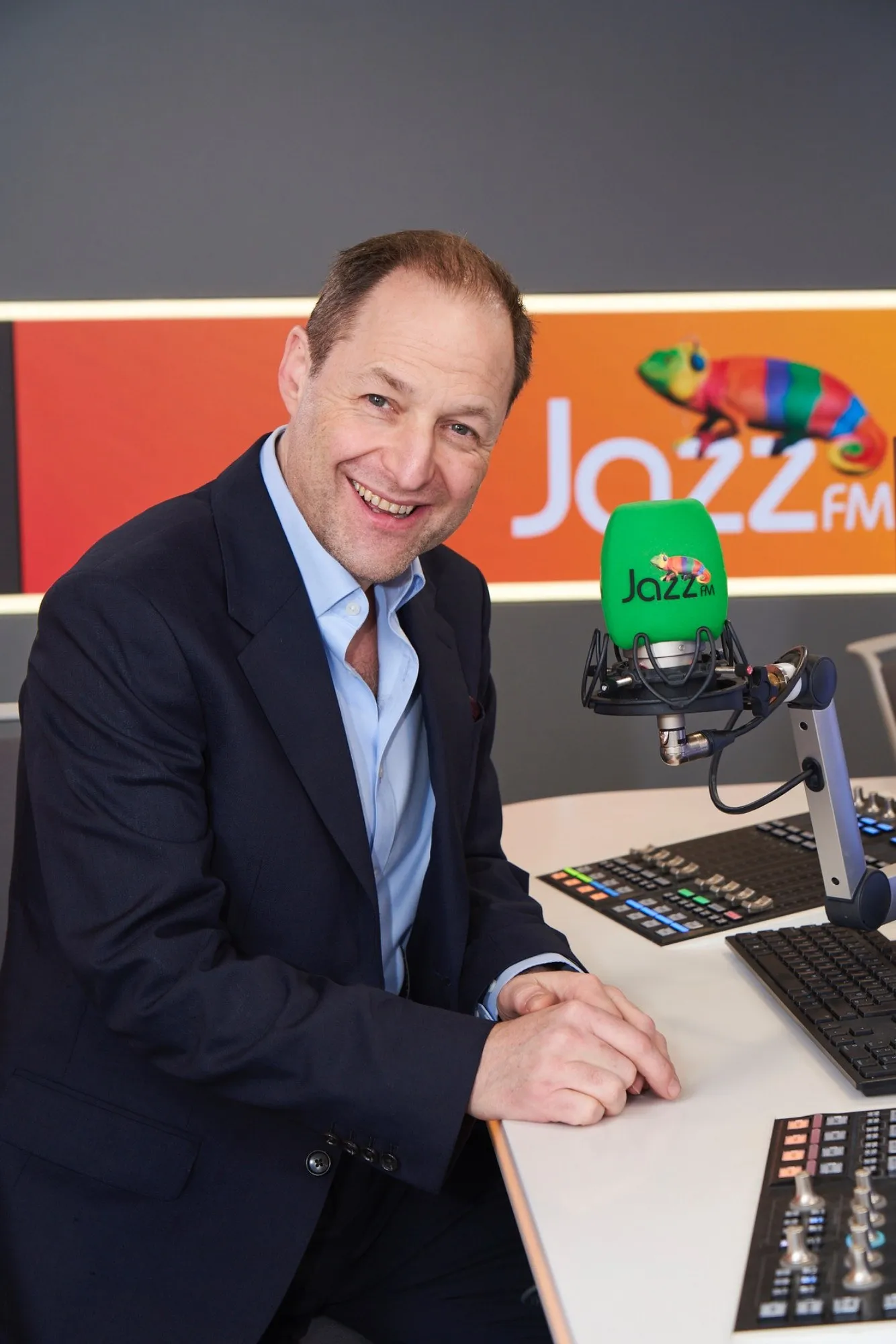
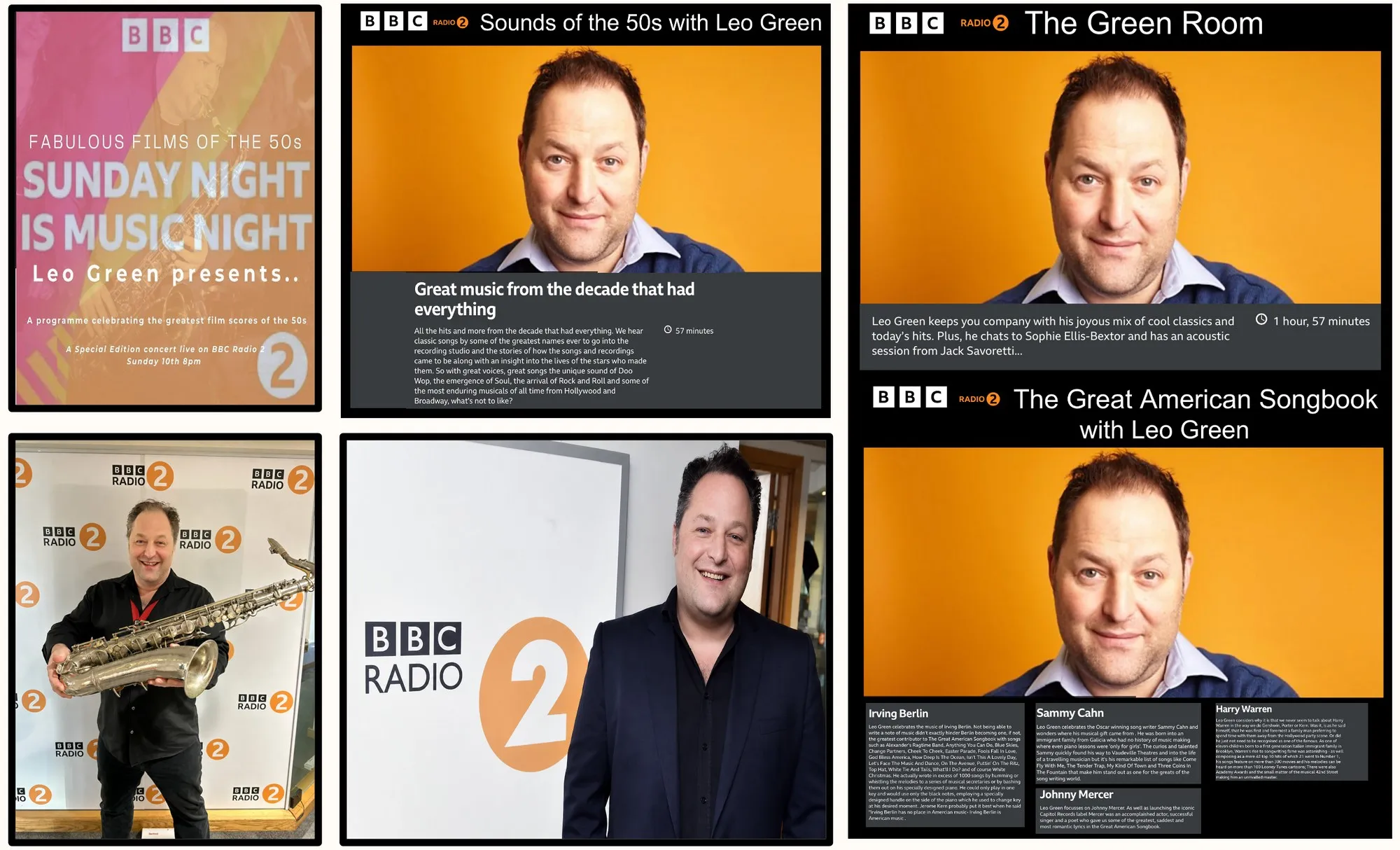
There was another part of my father’s life that eventually found its way into mine.
Broadcasting.
At BBC Radio 2 I began writing and presenting programmes about music — eventually scripting and presenting more than 250 hours for the network.
Later came Jazz FM, where I joined the station at its 2008 relaunch and where I still present The Leo Green Show every Sunday evening.
I discovered that broadcasting used many of the same instincts as playing.
Listen.Know when to come in.Know when to leave space.And have something worth saying when it’s your turn.
2009
Building Something
Full Circle · BluesFest · Live Nation
By then I knew I wanted to create things rather than simply be hired to work on them.
I co-founded Full Circle Live in 2009.
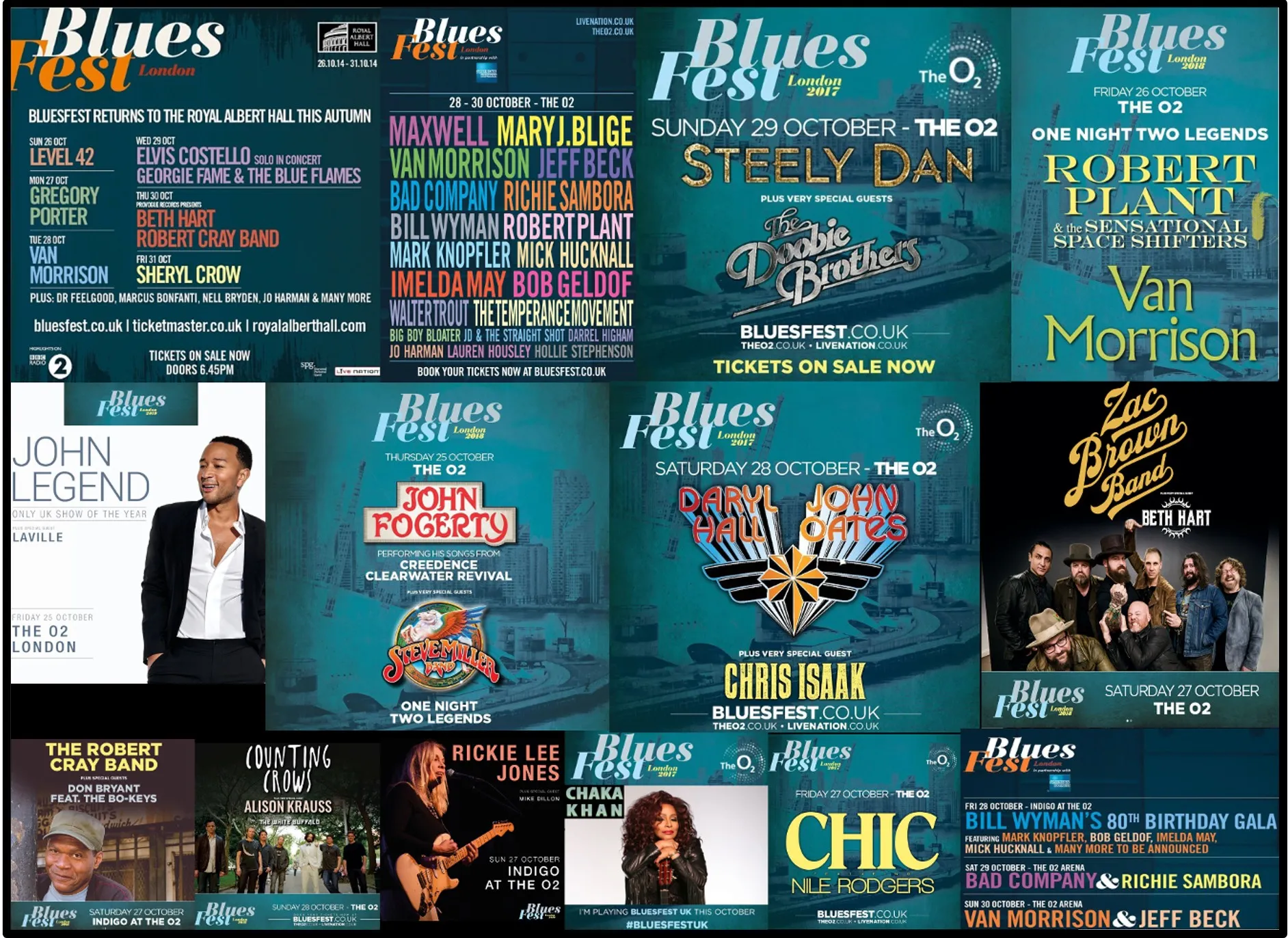
In 2011, I created BluesFest London.
That same year, Live Nation acquired Full Circle Live and I became Director of Live Events.
BluesFest grew from London clubs into major venues, then the Royal Albert Hall and ultimately The O2. My work at Live Nation expanded far beyond the festival into touring productions and large-scale outdoor concerts.
I spent eleven years there.
Those years taught me something fundamental: a great live idea has to work twice — once creatively and once commercially.
If either side fails, it isn’t sustainable.
2022
Time For A Change
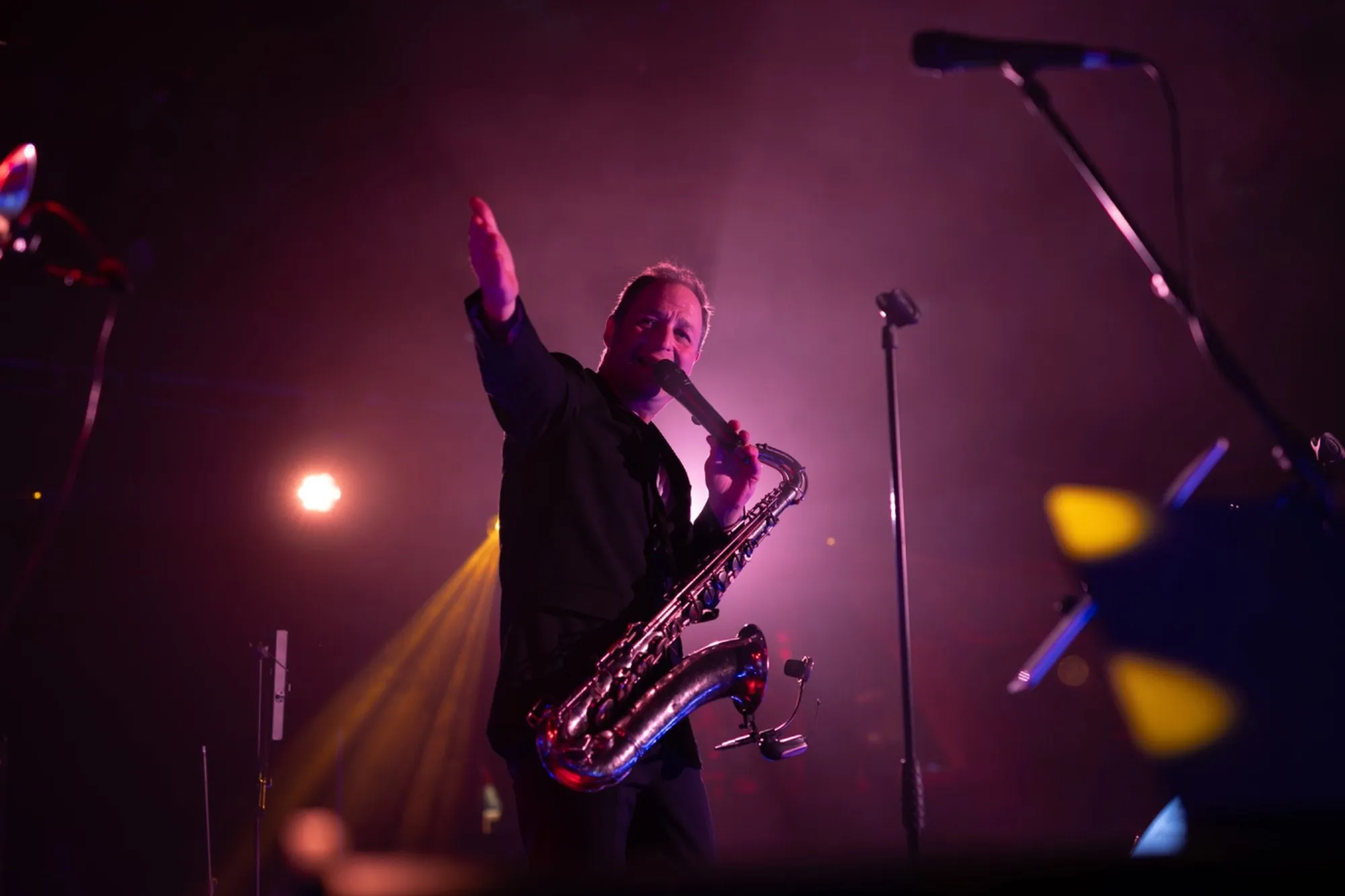
Leaving Live Nation after eleven years was another turning point.
For the first time in a long time, there wasn’t a large company around me determining what happened next.
That was liberating.
I began thinking about everything I’d learned from being a musician, broadcaster, promoter and business operator — and whether those experiences could be combined to create entertainment that I actually owned.
Not another job.Something that could grow.
The Showtime Group
Building what comes next
That thinking ultimately led to The Showtime Group.
The principle is simple: create live entertainment formats with strong identities, repeatable production models and intellectual property that can live beyond a single performance.
- Icons Orchestral.
- The Van Morrison Alumni Band.
- The Secret Sax Party.
- And other ideas still being developed.
After decades spent working inside other people’s songs, broadcasts, venues, festivals and companies, ownership has become increasingly important to me.
Not ownership for its own sake.
The ability to build something properly — and give it time to become valuable.
There was always Benny
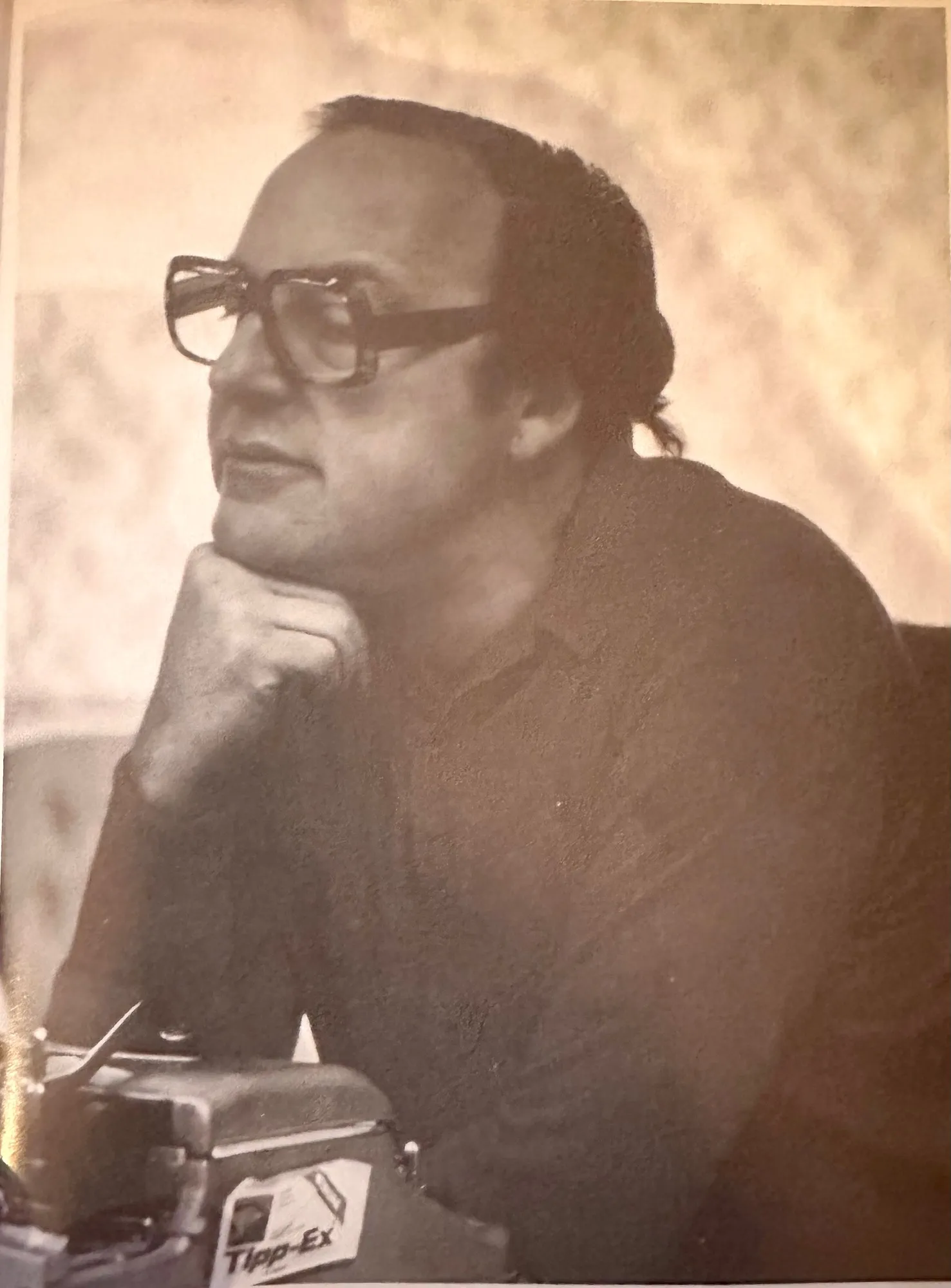
For years, my father’s archive remained exactly that.
My father’s archive.
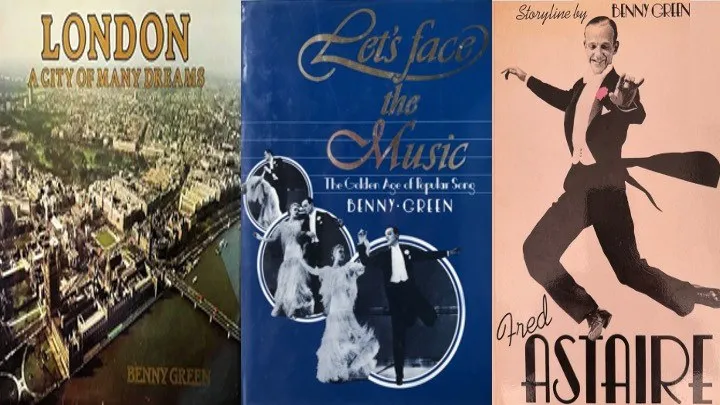
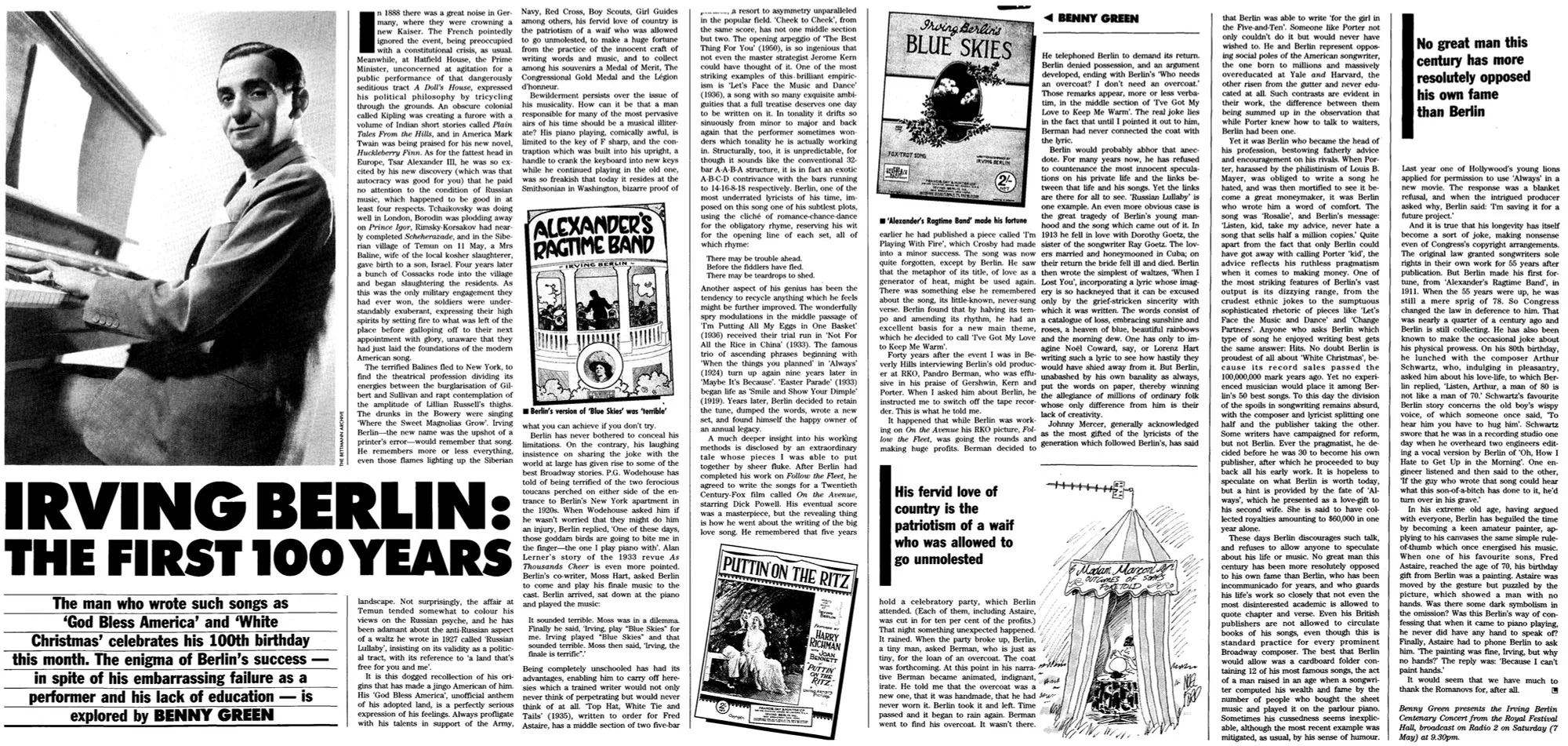
Boxes. Papers. Broadcasts. Books. Scripts. Articles. Interviews. Letters. Photographs.
Material I’d grown up around without ever thinking of it as a single body of work.
Eventually I started looking properly.
And the scale of what he’d left became impossible to ignore.
An estimated 35–45 million words of written and transcribed material. Thousands of articles. Nearly 1,500 broadcasts. Interviews and research documenting decades of twentieth-century cultural life.
I realised that inheriting it and preserving it were not the same thing.
The two stories come together.
The Benny Green Institute
The Benny Green Institute brings together something I inherited with everything I’ve learned since.
- Music
- Broadcasting
- Writing
- Technology
- Business
- Intellectual property
And a lifetime spent trying to understand why culture matters.
The ambition isn’t simply to preserve Benny’s work.
It is to make it usable again — searchable, connected and available to researchers, musicians, writers and anyone curious about the people and ideas contained within it.
19272027
Benny was born in 1927.
His centenary is in 2027.
A hundred years after his story began, another chapter will begin.
Today
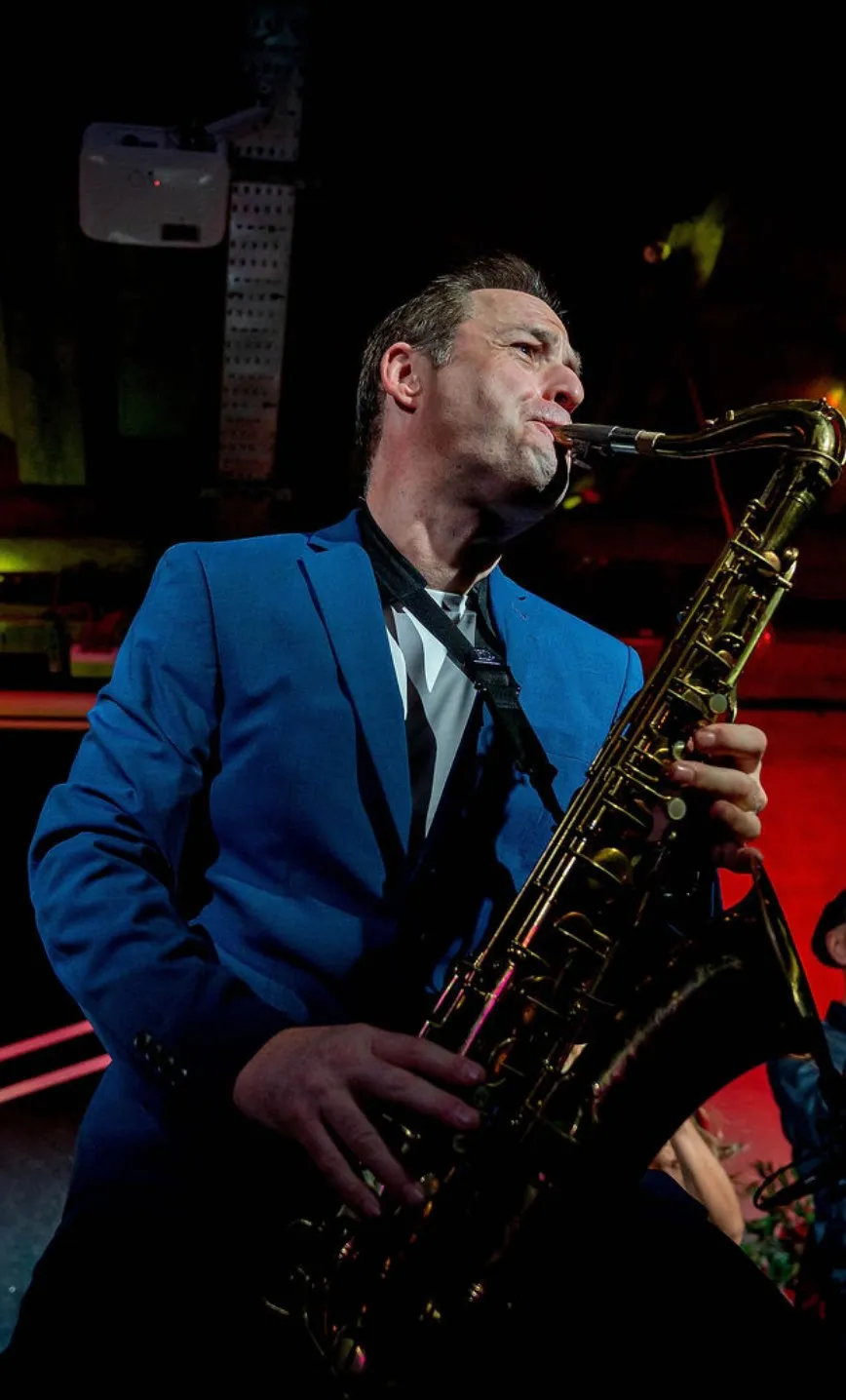
I still play the saxophone.
Everything still grows from there.
Leo Green, London, 2026
NextThe Evolution of a Legacy